 this. Many tribes' cultures and histories are centuries old, and
have remained relatively unchanged. In other places modern es
and civilizations have sprung up, and life in these areas is very
similar,
in some places almost identical to life anywhere else in the world.
this. Many tribes' cultures and histories are centuries old, and
have remained relatively unchanged. In other places modern es
and civilizations have sprung up, and life in these areas is very
similar,
in some places almost identical to life anywhere else in the world.
 Most
of the African people live in poverty and are illiterate, that is not
to
say however that all the people here are. Africa has come a long
way in the last 50 years. Industry, agriculture, and commerce
have
raised many areas of the continent substantially.
Most
of the African people live in poverty and are illiterate, that is not
to
say however that all the people here are. Africa has come a long
way in the last 50 years. Industry, agriculture, and commerce
have
raised many areas of the continent substantially.
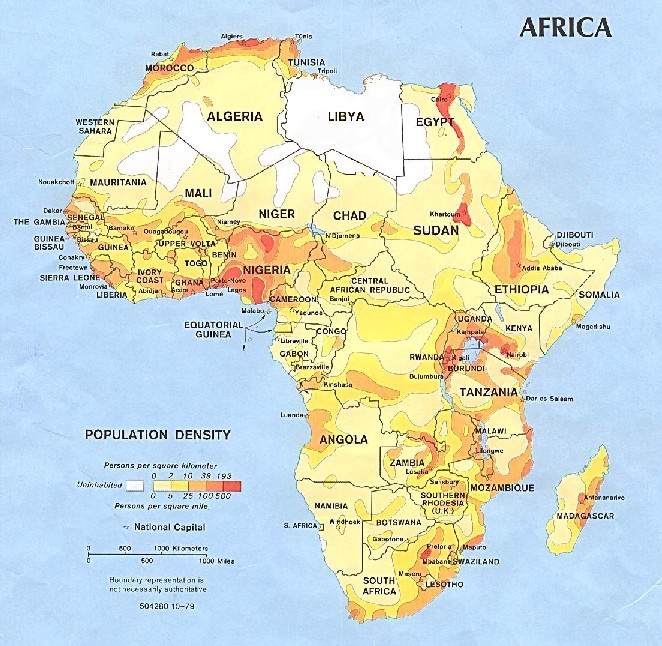
The
people in Africa themselves are widely varied, from modern city
dwellers
to tribal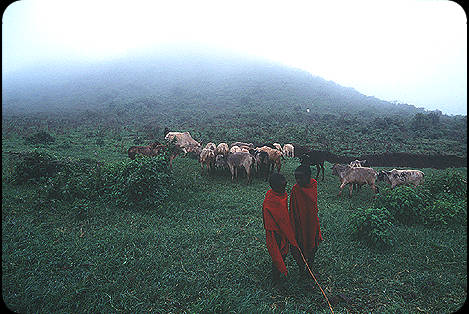 villagers
and nomadic wanderers. The most common trait of the African
peoples
is their unwavering adherence to their own individual cultures.
In
many cases it is this and this alone that have kept these people
alive. In the north the majority
villagers
and nomadic wanderers. The most common trait of the African
peoples
is their unwavering adherence to their own individual cultures.
In
many cases it is this and this alone that have kept these people
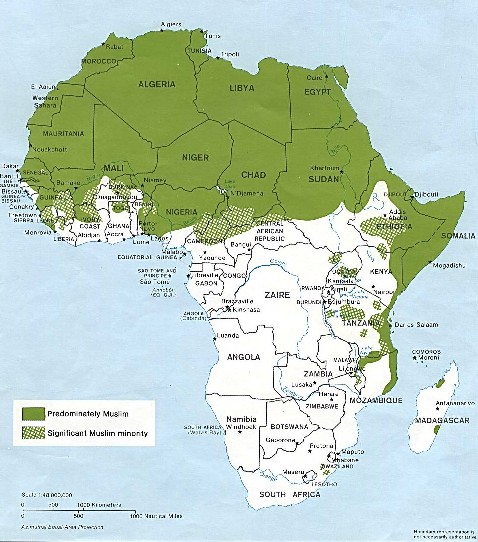
alive. In the north the majority 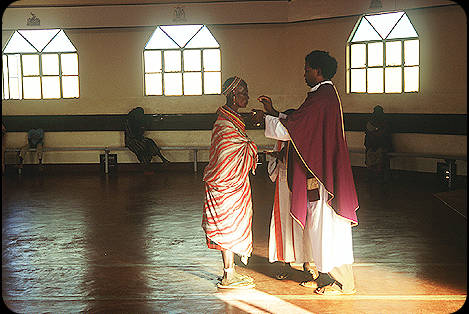 of
people are arabic, most of them muslim. Islam was for the most
part
wiped out by continuous battering by disease, war, and famine.
The
rest of the country is dominated by blacks of innumerable tribes.
Europeans are still a major minority, especially in those countries
controlled
by the EEC.
of
people are arabic, most of them muslim. Islam was for the most
part
wiped out by continuous battering by disease, war, and famine.
The
rest of the country is dominated by blacks of innumerable tribes.
Europeans are still a major minority, especially in those countries
controlled
by the EEC.
 For
the purposes of space and time we will limit the descriptions of daily
life in Africa to two groups: City and Tribal. For those living
in
the city there is supposedly more money, food and shelter, however jobs
are scarce, poverty is high and the majority of people live in shanty
towns
and slums. Most of the housing in the es is taken up by
For
the purposes of space and time we will limit the descriptions of daily
life in Africa to two groups: City and Tribal. For those living
in
the city there is supposedly more money, food and shelter, however jobs
are scarce, poverty is high and the majority of people live in shanty
towns
and slums. Most of the housing in the es is taken up by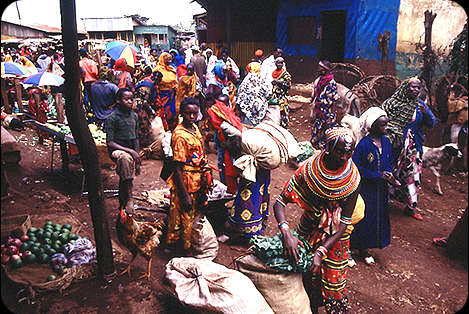 either foreigners or those who have been lucky enough to have the money
to pay for it. Of course this always varies depending where in
Africa
you are. In Morocco there is housing for most of the people,
while
in Kenya more people sleep in the streets of the es than under a
roof.
And just like anywhere else in the world there
either foreigners or those who have been lucky enough to have the money
to pay for it. Of course this always varies depending where in
Africa
you are. In Morocco there is housing for most of the people,
while
in Kenya more people sleep in the streets of the es than under a
roof.
And just like anywhere else in the world there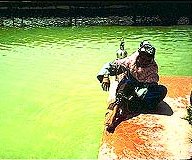 is always the promise that if you work hard enough (or steal enough)
then
you can achieve anything, after all that is the human spirit at its
most
base. In short life in the larger es in Africa is pretty
close
to life in the es anywhere else. In the smaller es and
towns
it is somewhere in-between city an tribal life. Occasionally
modern
conveniences can be found, always right next to traditional ways of
life.
The
is always the promise that if you work hard enough (or steal enough)
then
you can achieve anything, after all that is the human spirit at its
most
base. In short life in the larger es in Africa is pretty
close
to life in the es anywhere else. In the smaller es and
towns
it is somewhere in-between city an tribal life. Occasionally
modern
conveniences can be found, always right next to traditional ways of
life.
The 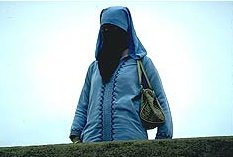 smaller
es
and villages can be quite confusing, as a semi modern hotel will stand
above a row of grass huts and shacks made from sheet metal.
Coca-Cola
billboards fading in the sun next to bleached animal bones and skins
hanging
out to dry. It is in these small towns that you will find the
best
glimpse of the African people. The major
smaller
es
and villages can be quite confusing, as a semi modern hotel will stand
above a row of grass huts and shacks made from sheet metal.
Coca-Cola
billboards fading in the sun next to bleached animal bones and skins
hanging
out to dry. It is in these small towns that you will find the
best
glimpse of the African people. The major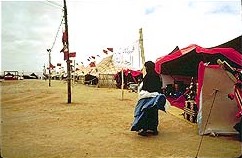 es are to influenced by the west, and the small villages are too
much
of a culture shock for those not native to Africa.
es are to influenced by the west, and the small villages are too
much
of a culture shock for those not native to Africa.
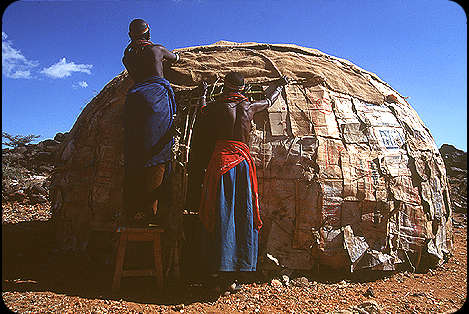
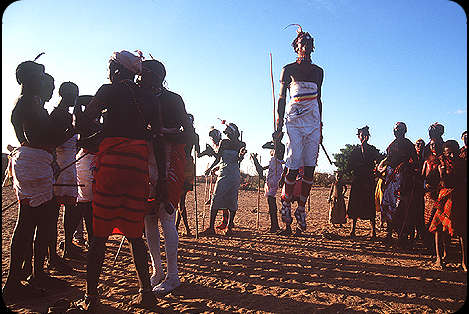
Tribal
life in Africa is vastly different from life in the es. Where
in the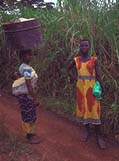 city people try to "catch up" to the west, in the tribal villages life
has remained virtually unchanged since the dawn of time. Hunter
gatherer
societies are the norm, and the tribal warrior is master of his
domain.
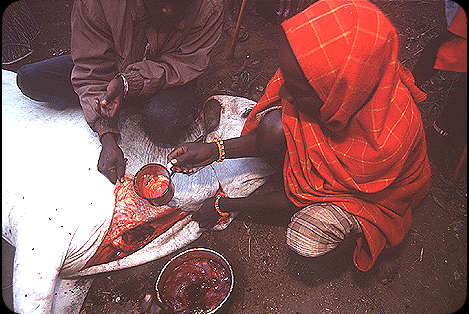
The people here still fish, hunt, and farm by hand. Using
city people try to "catch up" to the west, in the tribal villages life
has remained virtually unchanged since the dawn of time. Hunter
gatherer
societies are the norm, and the tribal warrior is master of his
domain.
The people here still fish, hunt, and farm by hand. Using 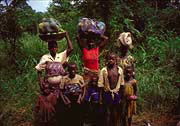 simple
home made tools most of the time, though occasionally the luckier
villages
will have more modern tools such as tractors and other vehicles.
These people are one with the land. Lifestyles, cultures and
religions
vary greatly from tribe to tribe, and it is impossible to go into the
differences
that make each unique, still if you have ever seen a National
Geographic
special, or a Discovery documentary then you will have a good idea of
simple
home made tools most of the time, though occasionally the luckier
villages
will have more modern tools such as tractors and other vehicles.
These people are one with the land. Lifestyles, cultures and
religions
vary greatly from tribe to tribe, and it is impossible to go into the
differences
that make each unique, still if you have ever seen a National
Geographic
special, or a Discovery documentary then you will have a good idea of what it is like. The biggest threat to these people comes from
other
tribes, and wars are a constant threat. Some tribes are almost
always
at war, while the more nomadic
what it is like. The biggest threat to these people comes from
other
tribes, and wars are a constant threat. Some tribes are almost
always
at war, while the more nomadic 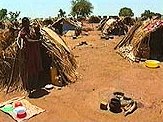 groups
often try to simply escape conflict. Most of the tribes will be
very
wary of strangers, especially foreigners. If a small party
encounters
a large tribe it is entirely possible the me be attacked without
warning
or provocation. This has given many of the tribes a bad name,
however
inside the tribe life is usually warm and peaceful, with everyone
working
together for the greater good of the tribe.
groups
often try to simply escape conflict. Most of the tribes will be
very
wary of strangers, especially foreigners. If a small party
encounters
a large tribe it is entirely possible the me be attacked without
warning
or provocation. This has given many of the tribes a bad name,
however
inside the tribe life is usually warm and peaceful, with everyone
working
together for the greater good of the tribe.
(Written by Deric "D" Bernier.)