
The warm Pacific coastal waters have always provided for a vast marine ecology, and now the ruins of LA are the home to many types of aquatic life. Many are safe, and fishing provides a staple food supplement to the inhabitants of LA, many others however are not.
After the quake, when the waters calmed down, the carnage attracted sharks by the score. For about a week after the quake the blood in the water from the dead had every predatory, and scavenger fish for a hundred miles swarming in the streets. While eventually the high numbers went away, there are still many left that hunts the submerged streets of Lost Angeles. The submerged levels of buildings are a perfect hiding place for many creatures, such as eels, octopi, and crabs. While Sharks roam through the streets, acting as both predator and prey (the local Shark Fin soup is said to be fantastic). The odd current system moving through the streets has created a strange effect with Jellyfish, as they are pushed into dead end alleys where there is no current and gather in vast amounts (as many as 200 in a 30 cubic foot area can be found in some of these dead water alleys). The clans often use these Jellyfish nests as means of execution for prisoners, simply throwing them into the middle of these swarms..... a very excruciating death indeed.
The most
dangerous form of
life
under the waves is perhaps also the smallest,
bacteria.
On days of strong
current the
water is relatively safe, but on other days there is
high risk of being
infected by the deadly bacteria of the city.
To make matters
worse,
corporations and individuals often try do dump
everything from garbage
to toxic, and medical waste on the outskirts of
LA. The
Angelino's
are aware of this and deal very harshly with any
attempt they discover,
thankfully keeping the dumping to a minimum.
While initially the bacteria killed much of the marine life in LA, it has since adapted and is thriving (somewhat precariously) again.
There are several different kinds of sharks living in these waters, among the more dangerous are:
The Shortfin Mako: The shortfin mako (bonito) shark is one of the larger sharks to inhabit California waters. By all accounts, it is as dangerous as any shark, and it probably swims faster than most. Watch out, when you catch one, because this is a dangerous fish that will not hesitate to attack you or your boat.

The Blue Shark: The blue shark is not considered a man-eater, but is probably responsible for many attacks upon injured swimmers, after boating, airplane, and other accidents at sea. It should be considered dangerous because of its numerical abundance and attraction for blood, if for no other reasons. The fish may be eaten, but it is necessary to bleed it while it is still alive. After it is dead it should be cleaned, skinned and soaked as soon as possible to avoid the taste of urea in the meat. After the Quake these animals have become numerous and permanent residents of the ruins of LA.

Tiger: The Tiger shark is extremely flexible in tolerating a broad range of different habitats and has even been located in rivers and small lagoons. So sightings of this dangerous animal in the ruins of LA come as no surprise. It will eat almost anything and is considered to be the most scavengous of all the sharks. The Tiger shark is well known as a man-eater, caution around these fish is strongly advised. The tiger shark is responsible for more fatal attacks on man than any other shark. To the Angelino's, fishing these animals is just as important for profit as for food, as their skin is most sought after.

Great White: The most feared of fish, the Great White can reach lengths of up to 25 feet and weigh up to an average of 1500 pounds. It is found in almost all the world's oceans but appear more often off the coast of California in the U.S., South Africa, and Australia. It ranks highest in the number of attacks on humans. However, it must be said that very few of these attacks are fatal. Sightings of these fish in the streets of Lost Angeles are not common but do happen.

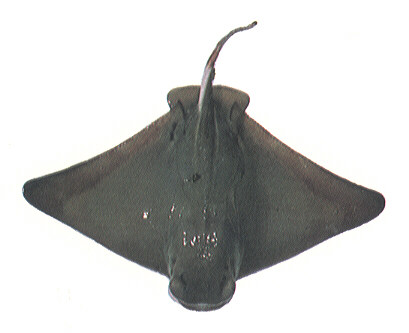
There are many other species of shark that dwell under the waters of Lost Angeles, but they should for the most part be considered harmless, although they are a favored diet of many Angelino's, and all sharks are considered to be a valuable commodity as their skin, cartilage, teeth, and organs are invaluable trade pieces to outsiders. Rays, can also be found here, specifically Bat and Sting ray's.... and should be dealt with carefully as their tails can be dangerous. The venom from a ray causes your heart to stop beating or to beat irregularly. It also affects your breathing and central nervous system. In some cases this can be quite fatal.
Another hazardous animal exists in these waters, and thrives as the ruins perfectly suit it, the Moray eel. I hides in the cracks and crevices of the wreckage of cars, inside buildings etc.... While not normally known to attack humans, these animals adapt so perfectly that encounters are common, and sometimes fatal, as once the eel has bitten into a target it will hold on till dead or disinterested. Other forms of eel exist in these waters, but none are as dangerous as the Moray.

Jellyfish: These beautiful creatures are not usually fatal to humans, especially the kind found in the waters of Lost Angeles, but in great numbers encounters can be fatal. Also some people are very allergic to their sting, much like bee sting allergies. As stated earlier, the odd currents created by the ruins often end in areas of dead water, and large number of Jellyfish get swept into these areas forming large unmoving swarms. Many clans will throw a prisoner into these pools as a means of execution.

There are many
other fish
that
live in these waters, hundred of species, as well as
equal amounts of
crustacean.
Some dolphins move through these waters as well, but
are a more rare
site
as the water, although cleaner than it was a few
years ago, still
disagrees
with them. The animals included here are
thought of as the most
common
dangerous animals found in these waters.
(Writers
note: I in
no
way claim to be any kind of expert whatsoever on
aquatic life, and the
long hours spent searching for the small and
possibly incorrect
information
are testament to that, but since this is just meant
to be part of a
sourcebook,
and meant to be fun I am not really worried.
The information here
should be correct enough for most of you, and should
provide you with
some
idea as to the dangers of living in Lost
Angeles.
For more information about the marine wildlife of
California you can
view
these links:
http://www.cyberkids.com/Issue4/SeaCreatures/Underwater.html
http://www.dfg.ca.gov/Mrd/index.html
http://elib.cs.berkeley.edu/kopec/tr9/html/home.html
Or you could try your local library.)