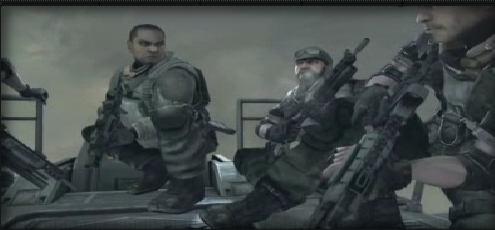
MILITARY FORCES

 In
2010 the United States, after bankrupting itself
fighting the Second
South American War, committed one of the worst
atrocities against its
own military and civilian contractors in
history. In a decision
that rivaled the horrors of Tuskegee, Alameda human
testing, and the
use of Agent Orange, the U.S. simply abandoned
thousands of its
military and civilian forces in the war torn regions of South and Central
America. Besieged
In
2010 the United States, after bankrupting itself
fighting the Second
South American War, committed one of the worst
atrocities against its
own military and civilian contractors in
history. In a decision
that rivaled the horrors of Tuskegee, Alameda human
testing, and the
use of Agent Orange, the U.S. simply abandoned
thousands of its
military and civilian forces in the war torn regions of South and Central
America. Besieged  on all sides,
this incident led to t
on all sides,
this incident led to t he mass exodus known popularly as "The Long
Walk." The tale of that journey is well
documented, and it's
ramification shook our countries government to its
very roots.
The long walk led to John Meta and his crew seizing
abandoned offshore
drilling platforms in the Gulf of Mexico and founding
Meta-Key, and to
the mass explosion in
the nomad population.
he mass exodus known popularly as "The Long
Walk." The tale of that journey is well
documented, and it's
ramification shook our countries government to its
very roots.
The long walk led to John Meta and his crew seizing
abandoned offshore
drilling platforms in the Gulf of Mexico and founding
Meta-Key, and to
the mass explosion in
the nomad population. 
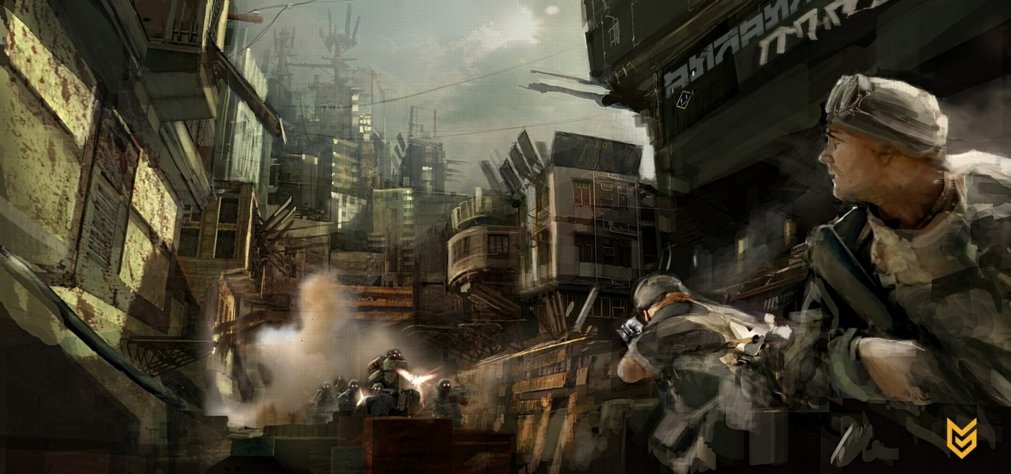
Of lesser known repercussions is, the Story of Colonel Pike and his Raiders, who seized and held the Panama Canal. Immediately after the botched evacuation of all U.S. forces from South and Central America, those who were left behind fell back to the Panama Canal. Army Colonel Jonas Pike was already there.
 Rather than follow his
orders
and abandon the
special forces teams under his command that were still
stuck
Rather than follow his
orders
and abandon the
special forces teams under his command that were still
stuck  behind
enemy lines in the jungles of Colombia, Pike stayed
behind. The
Canal, with its heavily fortified defenses,
immediately became the
first safe haven for anyone left behind in the region
who could make it
there. Within weeks the number of people at the
Canal had reached
thousands, mostly civilian construction workers,
engineers, drive
behind
enemy lines in the jungles of Colombia, Pike stayed
behind. The
Canal, with its heavily fortified defenses,
immediately became the
first safe haven for anyone left behind in the region
who could make it
there. Within weeks the number of people at the
Canal had reached
thousands, mostly civilian construction workers,
engineers, drive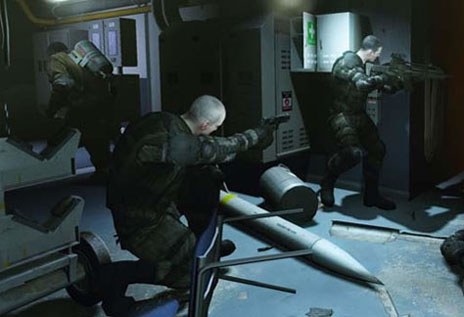 rs, clerical staff, and
private security personnel. With the combined
forces of the
Colombians, the Bolivians and any rebel
rs, clerical staff, and
private security personnel. With the combined
forces of the
Colombians, the Bolivians and any rebel 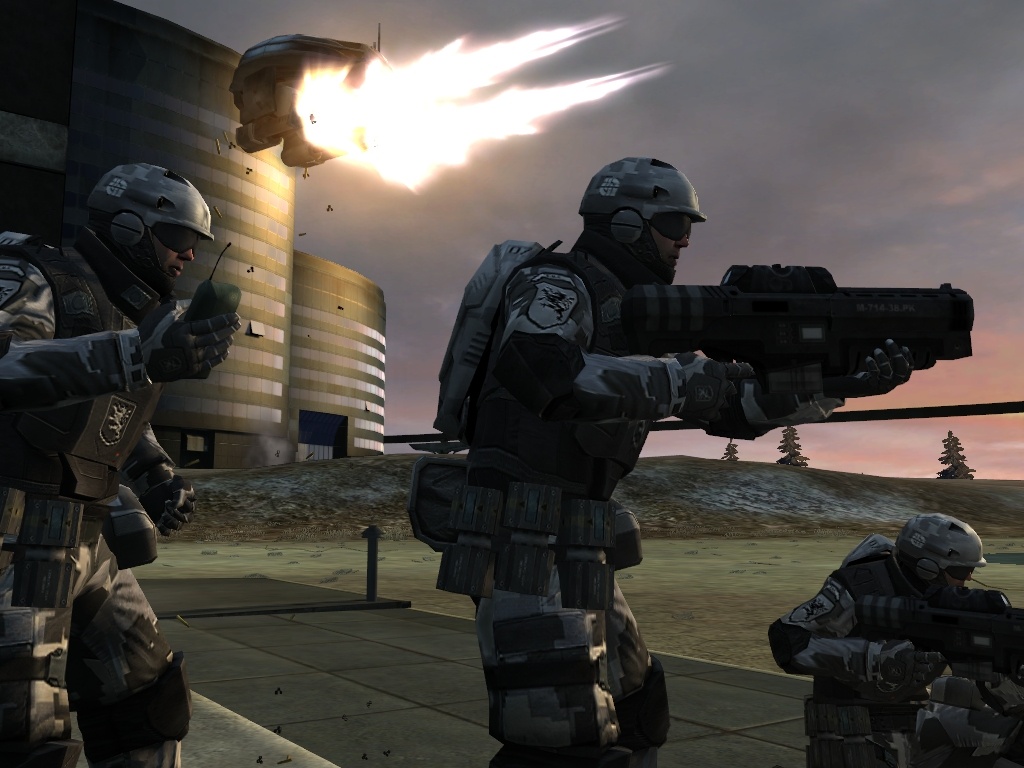 group or terrorist group
in the
region with a bone to pick with the U.S. descending on them, about to
surround them completely, and with resources stretched
thin, the
majority of those who had taken refuge at the Canal
decided in a
desperate move to escape while they could before they
were cut off and
under siege. While the main host began the
exodus from the Canal that would la
group or terrorist group
in the
region with a bone to pick with the U.S. descending on them, about to
surround them completely, and with resources stretched
thin, the
majority of those who had taken refuge at the Canal
decided in a
desperate move to escape while they could before they
were cut off and
under siege. While the main host began the
exodus from the Canal that would la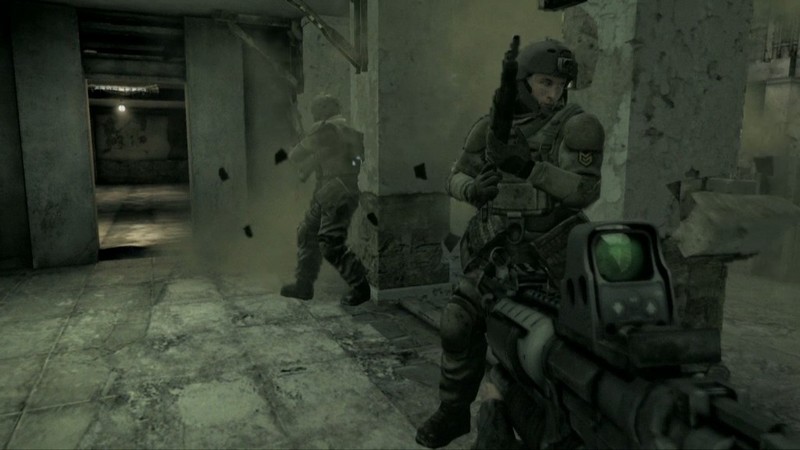 ter be
called the long walk, Colonel Pike and 300 of his best
men, along with
a
ter be
called the long walk, Colonel Pike and 300 of his best
men, along with
a  handful of civilian volunteers
(most of whom were actually employed
at the Canal and knew its operation), dug in at the
Canal to hold off
the Cartel Forces for as long as possible. No
one had any doubts,
it was a suicide mission. Things did not go according to plan
however.
Rather than
handful of civilian volunteers
(most of whom were actually employed
at the Canal and knew its operation), dug in at the
Canal to hold off
the Cartel Forces for as long as possible. No
one had any doubts,
it was a suicide mission. Things did not go according to plan
however.
Rather than
 force to try and take
the Canal and scour the Americans
from its walls.
force to try and take
the Canal and scour the Americans
from its walls. Pike and his men, known collectively as "Pikes Raiders," were able to fight off the cartel forces besieging them, but could do little to hinder
 the main Cartel movement chasing down the
"Long Walkers." When the "Walkers" finally
reached Atlantico, the main group of Cartel
forces that
had been chasing them had no choice but to abandon pursuit and head
back. Unknown to them, Pike back at the Canal had
already planned
a surprise for them. When the Cartel Forces
reached
the main Cartel movement chasing down the
"Long Walkers." When the "Walkers" finally
reached Atlantico, the main group of Cartel
forces that
had been chasing them had no choice but to abandon pursuit and head
back. Unknown to them, Pike back at the Canal had
already planned
a surprise for them. When the Cartel Forces
reached  the Canal,
they expected at most a kowtowed American presence, one who
would
co-operate or be easily destroyed. And that's
what they got,
the Canal,
they expected at most a kowtowed American presence, one who
would
co-operate or be easily destroyed. And that's
what they got, or so
it seemed. From their gun towers, with most of
his men hidden in waiting, Pike played the submitting
role, allowing the
main portion of Cartel forces to cross the canal in a
cargo ship.
When
the ship was loaded and underway, Pike struck.
His hidden
men ran to the gun towers, unloading on the ship with
everything they
had. Navy divers who had stayed behind
had placed underwater
mines on time release switches at the bottom of the
canal. The
ship along with 2000 Cartel soldiers on board exploded
and sunk.
Survivors were gunned down in the water as they
floated. With
over 2/3rds of the cartel forces lost in a single
blow, including much of its leadership, the
remaining Cartel forces fled. It would be the
last victory for
America in the Second South American War.
or so
it seemed. From their gun towers, with most of
his men hidden in waiting, Pike played the submitting
role, allowing the
main portion of Cartel forces to cross the canal in a
cargo ship.
When
the ship was loaded and underway, Pike struck.
His hidden
men ran to the gun towers, unloading on the ship with
everything they
had. Navy divers who had stayed behind
had placed underwater
mines on time release switches at the bottom of the
canal. The
ship along with 2000 Cartel soldiers on board exploded
and sunk.
Survivors were gunned down in the water as they
floated. With
over 2/3rds of the cartel forces lost in a single
blow, including much of its leadership, the
remaining Cartel forces fled. It would be the
last victory for
America in the Second South American War. In the wake of the final Canal Battle, Pike and his
people were left
with a dilemma. The Panamanian government was eager to assume
In the wake of the final Canal Battle, Pike and his
people were left
with a dilemma. The Panamanian government was eager to assume command of the Canal, but there was no where for
Pike and his men to go. No
one was coming for them, and their force was far too
small to make the
trek to home soil. Besides, they had shed their
blood, sweat and
tears defending the unfinished Canal and they were
going to be damned
if anyone was going to take it from them now.
Besides, most
command of the Canal, but there was no where for
Pike and his men to go. No
one was coming for them, and their force was far too
small to make the
trek to home soil. Besides, they had shed their
blood, sweat and
tears defending the unfinished Canal and they were
going to be damned
if anyone was going to take it from them now.
Besides, most  of
them had no wish to see the America that had abandoned
them ever
of
them had no wish to see the America that had abandoned
them ever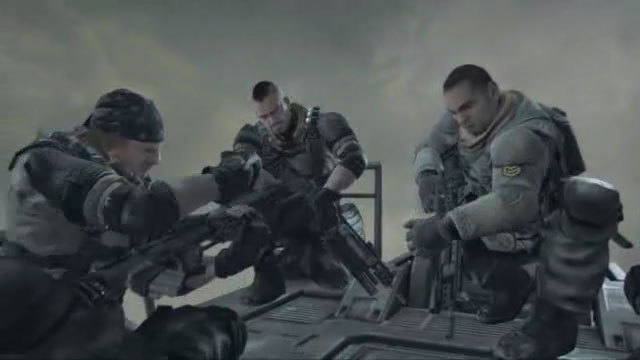 again.
Reluctant at first, the Panamanian government was in
no shape to try
and dislodge the Americans, who even then were in
talks with the EEC
and other major nations eager to begin shipping
again. After
Europe offered to pickup the funding for the expansion
(now well over
half done) Panama acquiesced, the Canal would be
completely controlled
and run by Pike and his people. The ICMF
was born.
again.
Reluctant at first, the Panamanian government was in
no shape to try
and dislodge the Americans, who even then were in
talks with the EEC
and other major nations eager to begin shipping
again. After
Europe offered to pickup the funding for the expansion
(now well over
half done) Panama acquiesced, the Canal would be
completely controlled
and run by Pike and his people. The ICMF
was born.

In the 8 years since that final battle, the ICMF has grown in size, hiring from the local Panamanian population for day to day operations, importing specialists and experts at healthy salaries, and expanding their military forces with mercenaries and ex-soldiers from all over the globe. The recruiting policy is simple, "If you are fed up fighting for
 someone else, come here,
join us, fight for yourself and
someone else, come here,
join us, fight for yourself and your comrades." The
ICMF is supplied heavily in arms and equipment
from Europe, Russia, and Asia (mostly
Japan and China). They were
also, at least till recently, sold weapons and
vehicles from American
companies, most notably Militech International.
Miltech, Arasaka,
and Lazarus have all tried to win military contracts
with the ICMF to
supplant their military forces, but the ICMF has
refused
your comrades." The
ICMF is supplied heavily in arms and equipment
from Europe, Russia, and Asia (mostly
Japan and China). They were
also, at least till recently, sold weapons and
vehicles from American
companies, most notably Militech International.
Miltech, Arasaka,
and Lazarus have all tried to win military contracts
with the ICMF to
supplant their military forces, but the ICMF has
refused
 them all, staunchly
disallowing any corporate influence to breach their
inner circle, the
mercs they do hire are all highly seasoned private
groups.
them all, staunchly
disallowing any corporate influence to breach their
inner circle, the
mercs they do hire are all highly seasoned private
groups.Bitterness over their abandonment left the core group, comprised of the original member of "Pikes Raiders", with an extreme resentment towards the United States, a country they have now completely
 disavowed. Still while
their was always an air of hostility in their
disavowed. Still while
their was always an air of hostility in their  dealings, it wasn't until
November of 2019 that any overt action had taken place. The U.S.
angry that though they had payed for the vast majority
of the expansion
project they were being charged twice the fees for its
use, threatened
an embargo. The ICMF, heavily influenced by the
EEC closed the
Canal to U.S. traffic completely in response, forcing U.S.
inbound and outbound vessels to travel all the way
around South
dealings, it wasn't until
November of 2019 that any overt action had taken place. The U.S.
angry that though they had payed for the vast majority
of the expansion
project they were being charged twice the fees for its
use, threatened
an embargo. The ICMF, heavily influenced by the
EEC closed the
Canal to U.S. traffic completely in response, forcing U.S.
inbound and outbound vessels to travel all the way
around South
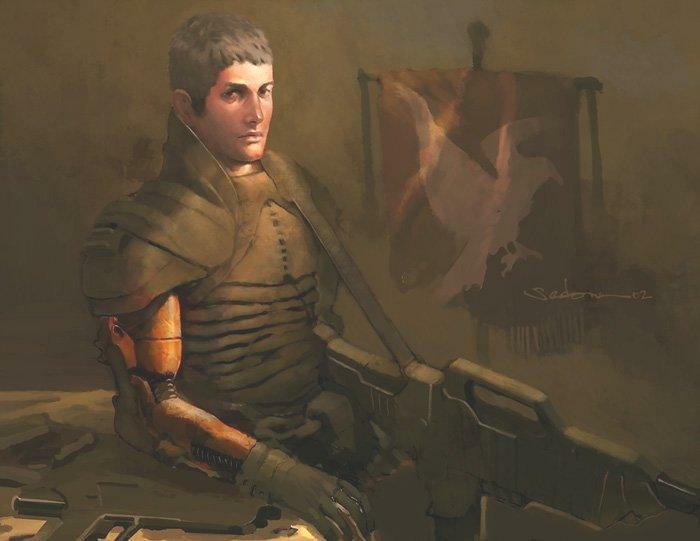 America. For the
last 6 months the U.S. has tried negotiating,
but after their most recent talks ended in failure,
the United States
America. For the
last 6 months the U.S. has tried negotiating,
but after their most recent talks ended in failure,
the United States
 Government had finally
had enough, War was declared on the ICMF.
The other Target of United States agression, the South
American
Alliance, has tried to form an alliance with the ICMF,
to
no avail so
far, Colonel Pike has not forgotten the atrocities of
the "Long Walk" and hates the
Cartel forces as much as he hates his former home
country. Still
with the U.S. invasion looming, he may need all the
help he can
Government had finally
had enough, War was declared on the ICMF.
The other Target of United States agression, the South
American
Alliance, has tried to form an alliance with the ICMF,
to
no avail so
far, Colonel Pike has not forgotten the atrocities of
the "Long Walk" and hates the
Cartel forces as much as he hates his former home
country. Still
with the U.S. invasion looming, he may need all the
help he can
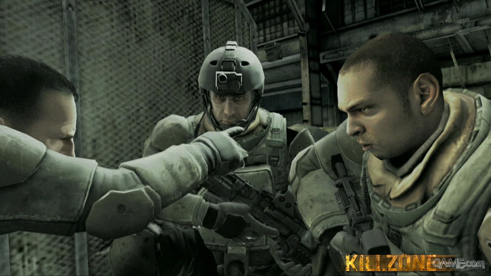 get. As an
alternative, they have been in negotiations with
Meta-Key.
get. As an
alternative, they have been in negotiations with
Meta-Key.
The ICMF has grown to such a point that it is now the largest and best equipped military force in Central America, save for Mexico. By contrast the ICMF simply dwarfs Panamanian military forces (which has led to fears in the that the ICMF will simply take over the country,
 unfounded
fears as it were as Pike has no interest in running a
country).
The vast majority of ICMF troops are ex-American and
unfounded
fears as it were as Pike has no interest in running a
country).
The vast majority of ICMF troops are ex-American and  European veterans,
with combat experience in either the last South
American War, or from
the current war in Africa. Because its soldiers
are already well
experienced and seasoned troops, there is little need
for
training, What training does exist is mostly in
efforts to get
the disparate groups to work cohesively together in
defense of the
canal.
European veterans,
with combat experience in either the last South
American War, or from
the current war in Africa. Because its soldiers
are already well
experienced and seasoned troops, there is little need
for
training, What training does exist is mostly in
efforts to get
the disparate groups to work cohesively together in
defense of the
canal. 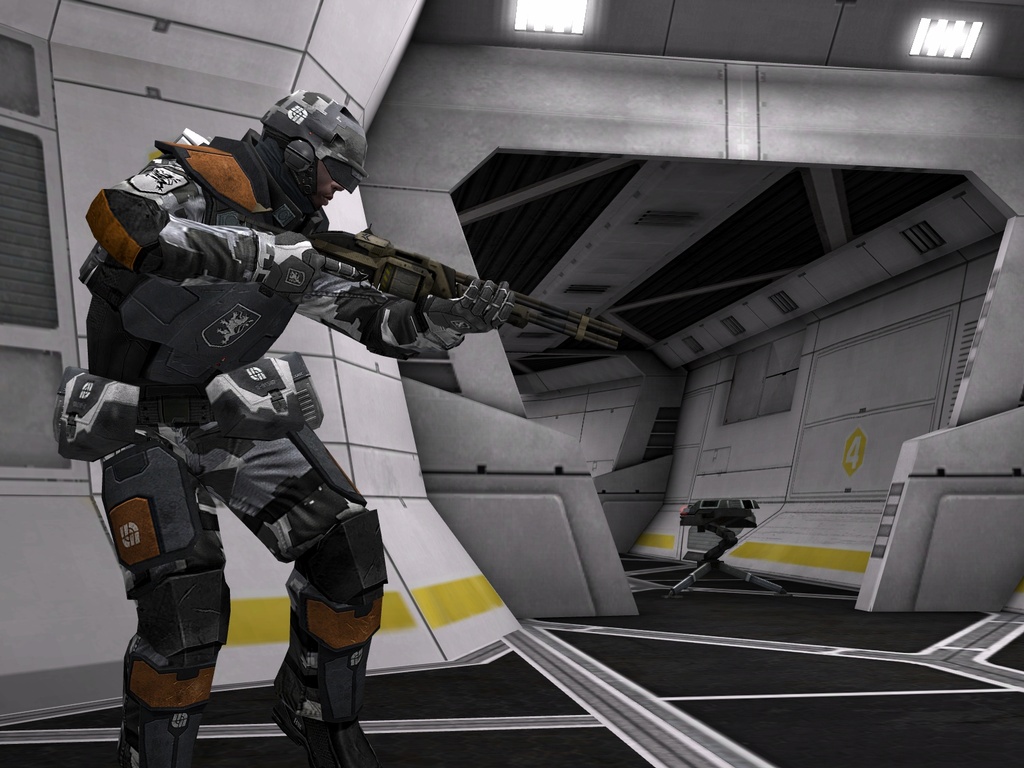 (For skill packages,
consider any ICMF soldier to have the
same skill sets as the military of their home of
origin, at an
additional +1 to each
(For skill packages,
consider any ICMF soldier to have the
same skill sets as the military of their home of
origin, at an
additional +1 to each  of the skills received, this extends to
those
with Special Forces training).
of the skills received, this extends to
those
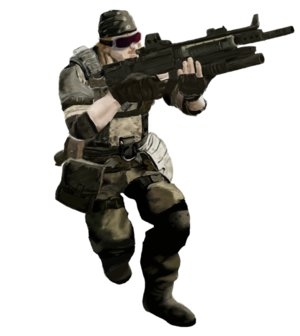
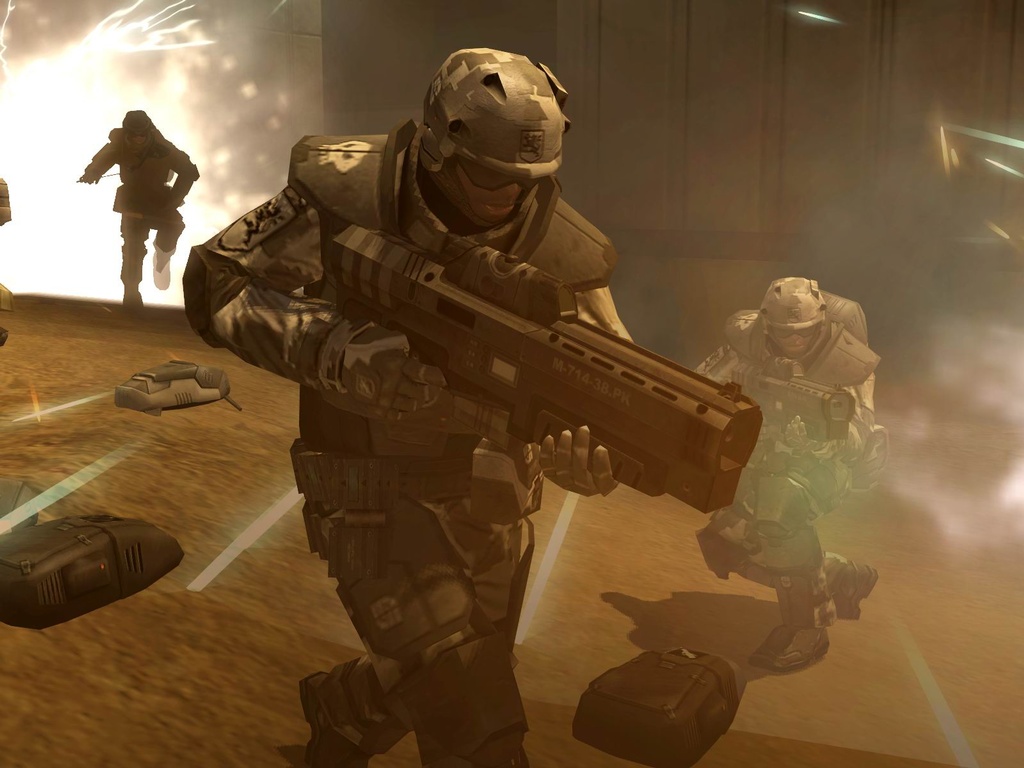
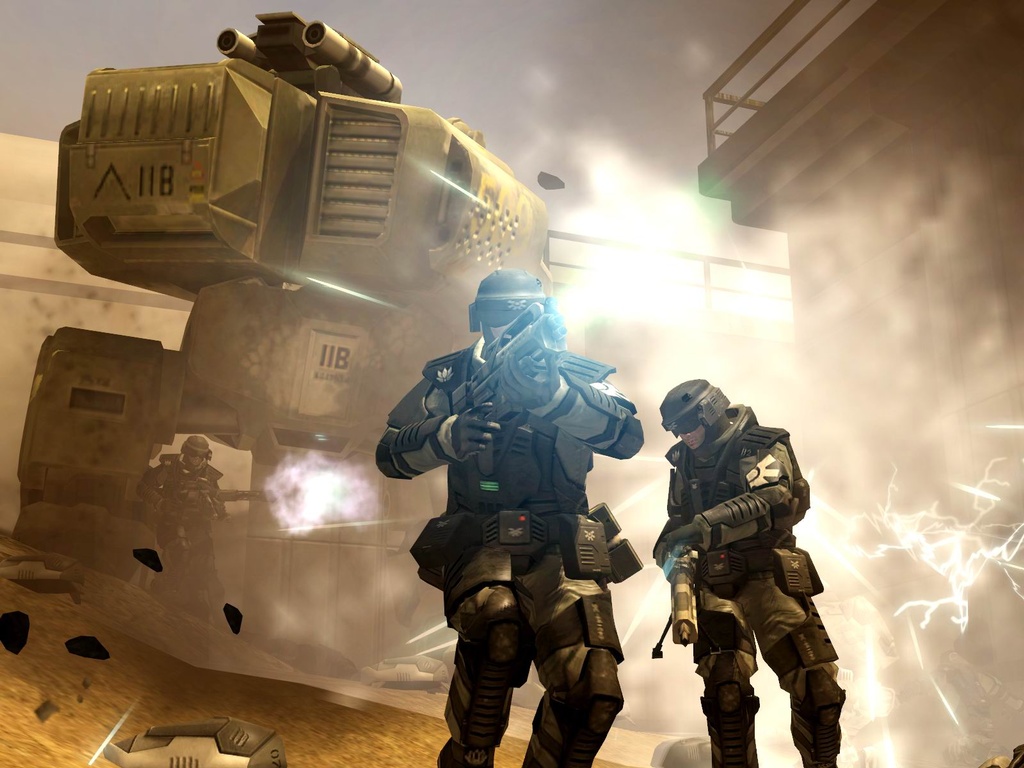
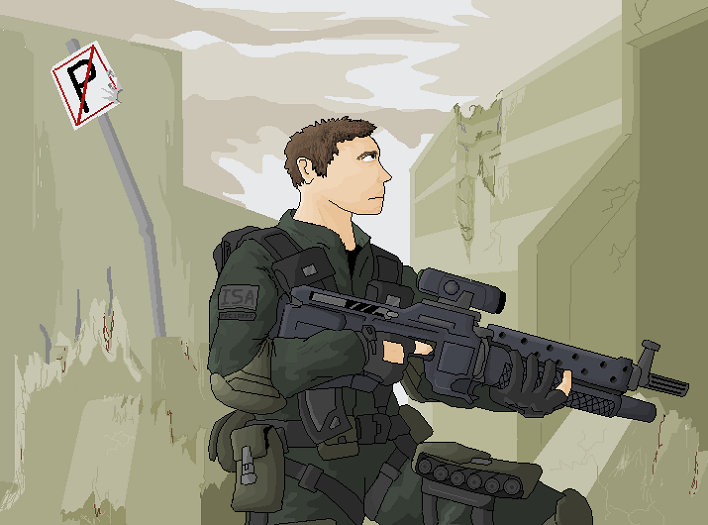
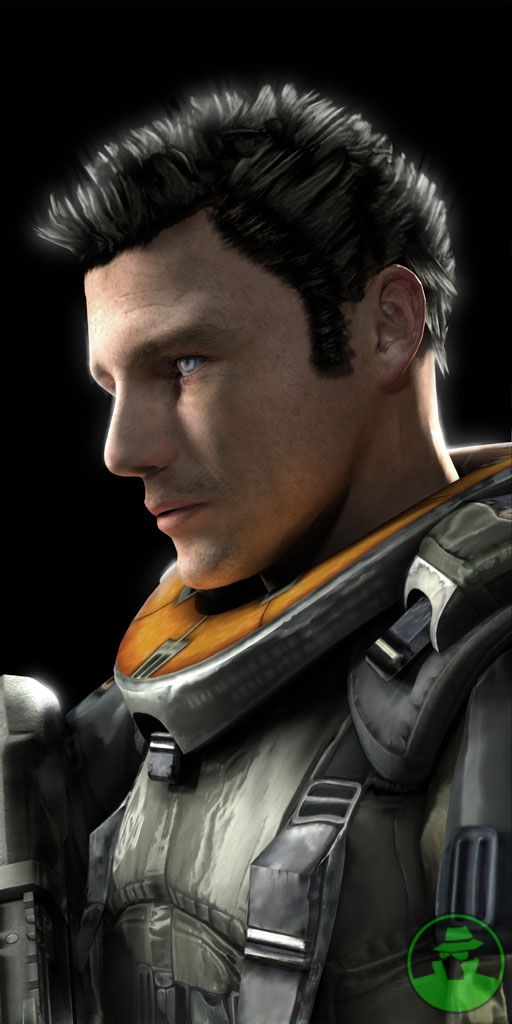
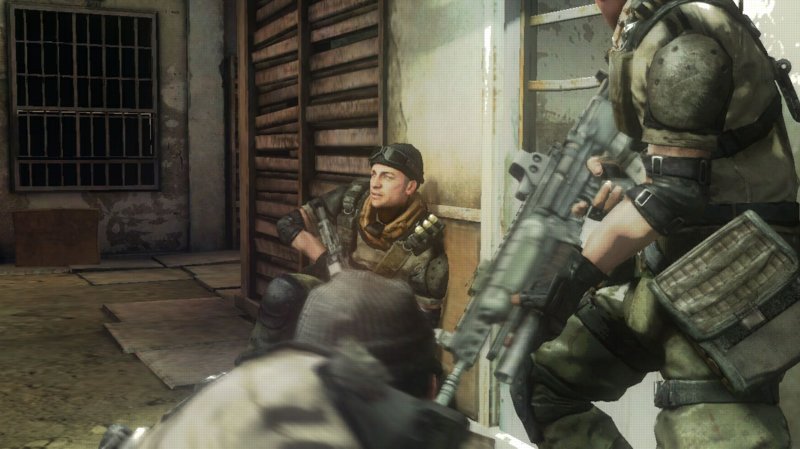
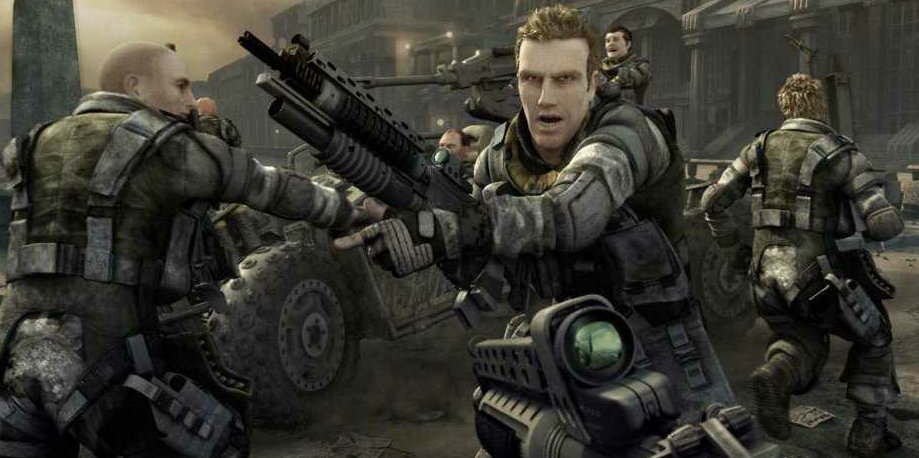
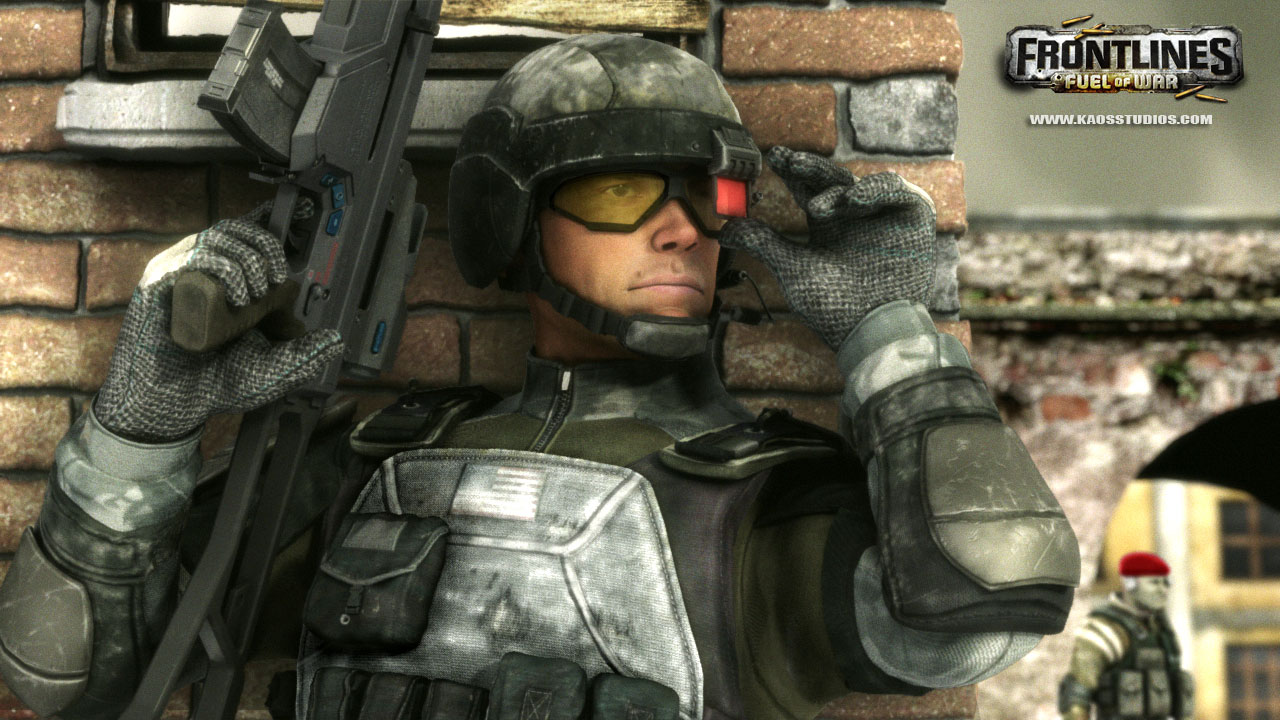
with Special Forces training).Also because of their backgrounds, and lack of a single supplier, uniforms, weapons, and equipment are extremely varied among the ICMF soldiers. While the majority of ICMF personnel are issued similar uniforms within their platoons, the platoons themselves often

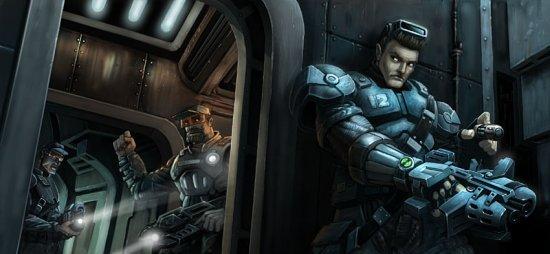 vary wildly. The
ICMF
also allows private Merc groups to keep their own
uniforms, so long as
they are in a group of 50 or more. Still the
majority of ICMF
soldiers wear Second South American War era US style
uniforms and
armor, as a symbol of their roots.
vary wildly. The
ICMF
also allows private Merc groups to keep their own
uniforms, so long as
they are in a group of 50 or more. Still the
majority of ICMF
soldiers wear Second South American War era US style
uniforms and
armor, as a symbol of their roots.