 T
T he
United States Military involvement in Africa, is on
the surface at least, to assist friendly allies and
supplement the native military forces. To provide aid
and protection to impoverished and destitute
countries, and to further U.S. relations with foreign
governments. At least that is what they tell you on
the news. While to some extent the above is true,
underlying the noble cause is an agenda much darker.
he
United States Military involvement in Africa, is on
the surface at least, to assist friendly allies and
supplement the native military forces. To provide aid
and protection to impoverished and destitute
countries, and to further U.S. relations with foreign
governments. At least that is what they tell you on
the news. While to some extent the above is true,
underlying the noble cause is an agenda much darker.
 Beneath this valiant
guise the United States is using its military might
to acquire control
Beneath this valiant
guise the United States is using its military might
to acquire control of the heart of the dark
continent, gaining ground to assure a strategic
geographic fortress in Africa. Africa has also
become a source of cheap labor for American based
corporations, and the resources gained make it a
hefty prize indeed. On African soil the Military is
much more free from the scrutiny of American civil
rights and
of the heart of the dark
continent, gaining ground to assure a strategic
geographic fortress in Africa. Africa has also
become a source of cheap labor for American based
corporations, and the resources gained make it a
hefty prize indeed. On African soil the Military is
much more free from the scrutiny of American civil
rights and geographic watchdog
groups, allowing it to test weapons and other new
technology with a lessened fear of reprisal.
geographic watchdog
groups, allowing it to test weapons and other new
technology with a lessened fear of reprisal.
Officially the United
States military does not set foot in any country
which has not openly requested to placed under U.S.
protection. However, in the past, strong influence,
to an almost stranglehold degree, has been placed on
certain countries by their neighbors already under
U.S. protection to accept U.S. military intervention
to operate on their soil.
For the most part the
U.S. presence in these countries has been welcome,
as the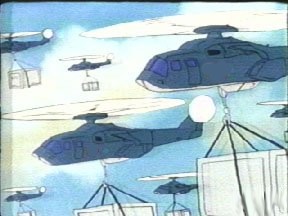
 increase in revenue, employment, and health care is
a blessing to the countries, of which most had been
bankrupt and destitute before U.S. occupation. The
U.S. military also trains and arms the native
military forces of the countries they occupy, as
well as providing aid in a military advisory
capacity. Still there are those who oppose foreign
control, and rebel
increase in revenue, employment, and health care is
a blessing to the countries, of which most had been
bankrupt and destitute before U.S. occupation. The
U.S. military also trains and arms the native
military forces of the countries they occupy, as
well as providing aid in a military advisory
capacity. Still there are those who oppose foreign
control, and rebel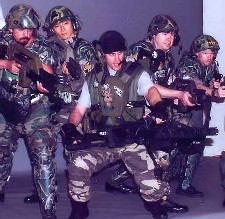 armies and terrorist
groups are always a source of deadly aggravation for
the U.S. military forces. Conflict in the regions
held by the U.S. is common, And while somewhat
effective, attempts to put down these groups have
failed as each
armies and terrorist
groups are always a source of deadly aggravation for
the U.S. military forces. Conflict in the regions
held by the U.S. is common, And while somewhat
effective, attempts to put down these groups have
failed as each time one faction is
eliminated another takes its place, but the
Europeans have it worse. In addition to bolstering
its military forces in defense of these countries
against their hostile neighbors, the U.S. Military
has in many of these countries been given the
responsibility of policing inside the borders as
well. Combating the roving hordes of bandits and
trying as it can to eliminate crime from the cities
and major roadways. This is done so U.S. based
time one faction is
eliminated another takes its place, but the
Europeans have it worse. In addition to bolstering
its military forces in defense of these countries
against their hostile neighbors, the U.S. Military
has in many of these countries been given the
responsibility of policing inside the borders as
well. Combating the roving hordes of bandits and
trying as it can to eliminate crime from the cities
and major roadways. This is done so U.S. based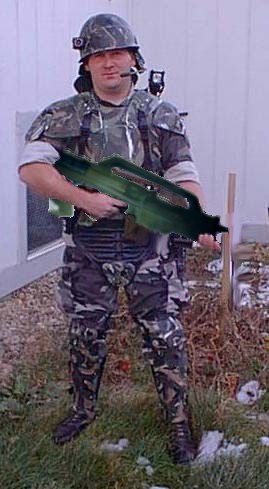 corporations may move
in relatively safely and begin their Americanization
process. (This more than anything
else is the biggest cause of dissent among the indigenous
populations who pride themselves on
corporations may move
in relatively safely and begin their Americanization
process. (This more than anything
else is the biggest cause of dissent among the indigenous
populations who pride themselves on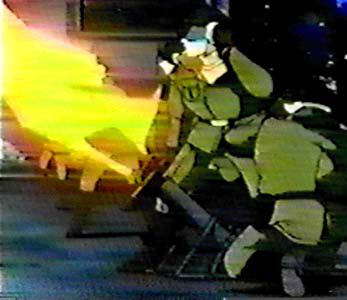 their culture and
heritage.
their culture and
heritage.
To appease the
anti-American sentiment, the U.S. officially has no
governing power in these regions, and the policy is
one of assistance not domination, the local
governments are still in power, and they have
control. Unofficially the U.S. has these governments
in its pocket and
controls everything from behind the scenes, using
the unaware, or corrupt officials as figureheads to
keep the populations content.
its pocket and
controls everything from behind the scenes, using
the unaware, or corrupt officials as figureheads to
keep the populations content.
The two largest
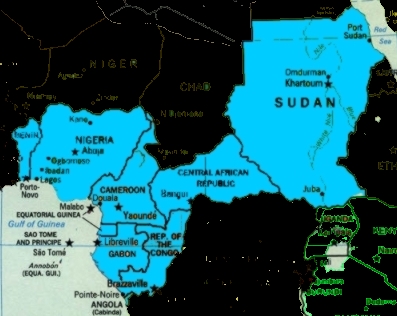
problem areas for the U.S. forces in africa are the countries of Ethiopia and the
Democratic Republic Of Congo. These two countries
are the only places in the world where the U.S. is
in direct confrontation with the EEC. In Ethiopia
the lines are clearly drawn, and the
countries of Ethiopia and the
Democratic Republic Of Congo. These two countries
are the only places in the world where the U.S. is
in direct confrontation with the EEC. In Ethiopia
the lines are clearly drawn, and the country is divided down the center,
with both sides making sporadic attacks on each
other in effort to gain ground, neither side willing
to simply divide the country into two
country is divided down the center,
with both sides making sporadic attacks on each
other in effort to gain ground, neither side willing
to simply divide the country into two separate entities. In the DRC
(Formerly Zaire) there are no specific boundaries,
and open conflict is taking place between the U.S.
and the Europeans all over the country. Military
boundaries held in this country change almost daily,
and are scattered like polka dots. As soon as ground
is gained it is lost. In this region with its dense
jungles, high mountains and volcano's, lowland
marshes and swamps, gaining ground
separate entities. In the DRC
(Formerly Zaire) there are no specific boundaries,
and open conflict is taking place between the U.S.
and the Europeans all over the country. Military
boundaries held in this country change almost daily,
and are scattered like polka dots. As soon as ground
is gained it is lost. In this region with its dense
jungles, high mountains and volcano's, lowland
marshes and swamps, gaining ground
 is one
thing, holding on to it is quite another. For the
most part the U.S. controls the north and Eastern borders, while the Europeans hold the
East. No one really holds the south, and most of the
fighting occurs in the heart of the country.
is one
thing, holding on to it is quite another. For the
most part the U.S. controls the north and Eastern borders, while the Europeans hold the
East. No one really holds the south, and most of the
fighting occurs in the heart of the country.
Learning its mistakes
in Vietnam, the Middle East, and South America the
U.S. military has instituted an almost complete
media blackout in any area where open conflict is a
regularity. It also views and censors any
non-military information leaving the U.S. controlled
regions in Africa. Any information pertaining to
Africa is once again scrutinized stateside
before it is broadcast. The
 reasoning
behind this is simple, it stems public moral and
dissension at home and keeps any civilian activist
groups from investigating the military's activities.
There is a larger and more important reason, both
the U.S. and the Europeans like their little covert
war, and in the midst of the new Cold War between
the two Superpowers, keeping their conflicts covert
prevents the countries from having to commit to a
full scale war which neither side really wants. A
cold war is more profitable for both sides than an
open one.
reasoning
behind this is simple, it stems public moral and
dissension at home and keeps any civilian activist
groups from investigating the military's activities.
There is a larger and more important reason, both
the U.S. and the Europeans like their little covert
war, and in the midst of the new Cold War between
the two Superpowers, keeping their conflicts covert
prevents the countries from having to commit to a
full scale war which neither side really wants. A
cold war is more profitable for both sides than an
open one.